
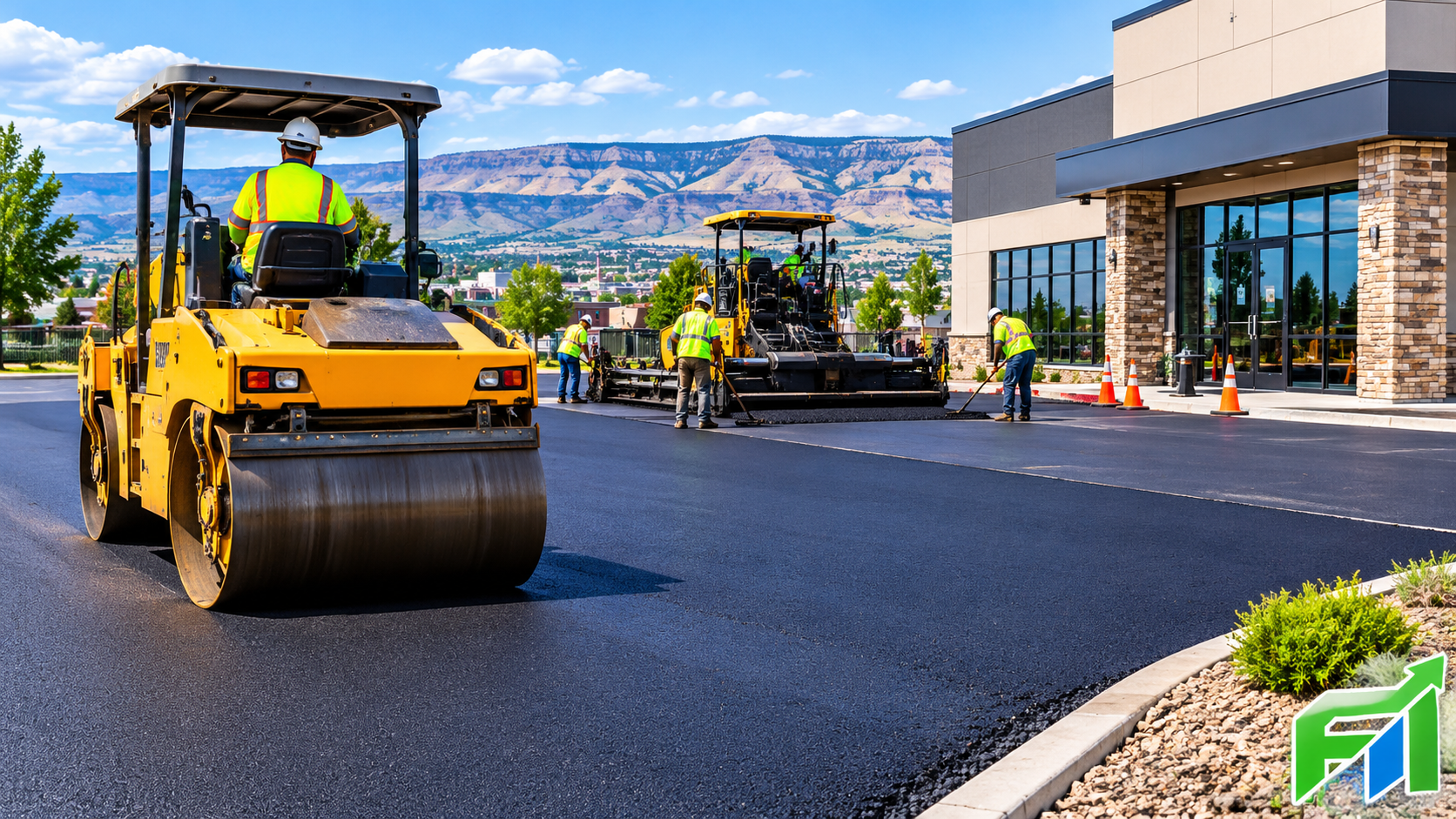
Commercial Asphalt Paving Billings MT: A Complete Guide for Business Owners
A well-maintained parking lot is an important part of any commercial property. Customers, employees, delivery drivers, and visitors all depend on safe and accessible paved areas when entering a business. Cracks, potholes, uneven surfaces, and poor drainage can create problems for vehicles while making a property look neglected. This is why commercial asphalt paving Billings MT is an important consideration for business owners and property managers who want reliable outdoor surfaces.
Commercial asphalt paving involves more than placing a new layer of blacktop. A successful project requires proper ground preparation, suitable asphalt materials, effective drainage, professional installation, and regular maintenance. These factors are particularly important in Billings, Montana, where seasonal temperature changes and freezing winter conditions can affect pavement over time.
Whether you manage a shopping centre, office building, warehouse, apartment complex, or industrial property, understanding the paving process can help you make better decisions. This guide explains the main commercial paving services, how projects are planned, what influences costs, and how to choose a suitable contractor.
What Is Commercial Asphalt Paving?
Commercial asphalt paving is the process of constructing, resurfacing, or repairing asphalt surfaces used by businesses and other commercial properties. It is designed to support regular vehicle movement, pedestrian access, parking requirements, and, in some cases, heavier commercial traffic.
Unlike a typical residential driveway, a commercial pavement project may involve a much larger surface area and more demanding usage conditions. A shopping centre parking lot, for example, must accommodate cars entering and leaving throughout the day. A warehouse yard may need to support delivery trucks and loading operations.
The pavement must therefore be designed according to the property’s expected traffic, ground conditions, drainage requirements, and intended use.
A properly planned project can improve the appearance of a commercial property while creating a smoother and more functional surface. It can also help reduce recurring repair problems when the underlying construction is completed correctly.
Why Businesses in Billings, MT Need Quality Asphalt Paving
The condition of a commercial parking area can influence both customer experience and property maintenance expenses. Visitors generally expect a clean, accessible place to park, while employees and delivery drivers need surfaces that allow them to move around safely.
Billings also experiences seasonal weather changes that property owners should consider before planning an asphalt project. Freezing temperatures, moisture, snow removal, and summer heat can all place stress on paved surfaces.
When water enters small cracks and freezes, it expands. Repeated freeze-thaw cycles can gradually weaken pavement and contribute to larger cracks and potholes. Poor drainage can make the problem worse because water may remain on the surface or collect around damaged sections.
Choosing appropriate materials and ensuring proper drainage are important parts of commercial asphalt paving Billings MT projects. Good installation practices can help a pavement withstand local conditions, although no asphalt surface is completely maintenance-free.
Commercial Asphalt Paving Services Available in Billings
Commercial paving contractors may offer several services depending on the condition of an existing surface and the requirements of a property. Understanding these options helps owners avoid paying for unnecessary work or choosing a repair that does not address the underlying problem.
New Commercial Asphalt Installation
New asphalt installation is suitable for commercial properties that need a completely new paved area. This may include parking lots, private access roads, loading zones, industrial yards, and additional parking spaces.
The process normally begins with evaluating the existing ground and determining how much preparation is required. Contractors may need to remove unsuitable material, establish the correct levels, install an aggregate base, and prepare the surface for asphalt.
The asphalt is then placed and compacted using suitable paving equipment. The required pavement thickness depends on factors such as expected vehicle loads, soil conditions, and engineering specifications.
Proper preparation is essential. Even high-quality asphalt can develop problems if it is placed over an unstable or poorly prepared foundation.
Commercial Parking Lot Paving
Parking lots are among the most common commercial asphalt applications. Businesses need parking areas that are easy to navigate, provide sufficient space, and support regular vehicle movement.
A commercial parking lot project may include new paving, entrance and exit areas, traffic lanes, pedestrian routes, and designated parking spaces. Contractors may also coordinate surface markings and other finishing work.
Drainage deserves particular attention during parking lot construction. The surface should be designed so rainwater and melting snow can move towards appropriate drainage points rather than collecting in low areas.
A smooth and well-organised parking lot can improve the overall appearance of a property and make daily operations easier.
Asphalt Resurfacing and Overlay
Resurfacing is an option when an existing asphalt pavement has surface deterioration but its underlying structure remains reasonably sound.
During an overlay project, the contractor prepares the existing pavement and applies a new asphalt layer over it. Depending on the condition of the surface, preparation may involve cleaning, crack repairs, milling, and correcting certain uneven areas.
An overlay can improve the appearance and usability of an older parking lot without requiring complete reconstruction.
However, resurfacing is not suitable for every damaged surface. If the base has failed or large sections have become unstable, placing another layer over the problem may only provide a temporary improvement. A professional assessment should determine whether an overlay or full-depth replacement is more appropriate.
Asphalt Patching and Pothole Repair
Potholes can create inconvenience for customers and employees while increasing the risk of vehicle damage. They may develop because of water penetration, repeated traffic loads, poor drainage, or deterioration of the pavement structure.
Asphalt patching involves removing or preparing the damaged area and restoring it with suitable paving material. The repair method depends on the depth and extent of the damage.
Small surface defects may require a different treatment from deep potholes that have affected the underlying base. Simply filling a hole without addressing its cause can lead to repeated damage.
For commercial properties, repairing damaged areas promptly can help prevent minor problems from becoming larger maintenance projects.
Crack Sealing and Seal coating
Crack sealing focuses on closing suitable cracks to reduce the amount of water entering the pavement. This is particularly relevant in locations where freezing conditions can accelerate damage.
Seal coating applies a protective coating over the asphalt surface. It can improve appearance and help protect the binder from environmental exposure, although it does not repair structural failures or replace damaged pavement.
The appropriate maintenance schedule depends on the pavement’s condition, product recommendations, traffic, and local weather. A contractor should inspect the surface before recommending either treatment.
Parking Lot Striping and Markings
Fresh pavement is only one part of a functional commercial parking area. Clear markings help drivers understand where to park, which routes to follow, and where pedestrian movement is expected.
Parking lot striping may include parking space lines, directional arrows, loading areas, fire lanes, and accessible parking markings.
Commercial property owners should also consider applicable accessibility requirements when planning or restriping a parking lot. The layout, access aisles, slopes, signs, and number of accessible spaces should meet the relevant standards.
How the Commercial Asphalt Paving Process Works
A successful paving project usually follows a planned sequence. The exact work varies according to the property, but several stages are common to most commercial installations.
Site Inspection and Project Assessment
The first stage is an inspection of the proposed paving area. The contractor evaluates the existing surface, ground conditions, traffic requirements, drainage, and any visible damage.
For an existing parking lot, the inspection should identify whether problems are limited to the surface or extend into the underlying base. This distinction affects the recommended repair method and overall project budget.
Ground Preparation and Grading
After the project scope is established, the site is prepared for construction. Existing pavement may need to be removed, damaged material excavated, and unsuitable soil addressed.
Grading establishes the required levels and slopes. This stage is important because the finished surface must support vehicle movement and allow water to drain correctly.
Aggregate Base Installation
The aggregate base provides support beneath the asphalt. Its thickness and composition should be appropriate for the ground conditions and expected traffic.
The base material must be placed and compacted correctly. A weak or uneven foundation can contribute to settlement, cracking, and premature pavement failure.
Asphalt Placement and Compaction
Once the foundation is ready, asphalt is delivered and placed using suitable equipment. The material must be spread evenly and compacted while it remains within the appropriate temperature range.
Compaction is an important part of pavement construction because it affects density, strength, and long-term performance.
Finishing and Final Inspection
The final stage may include checking surface levels, drainage, edges, joints, and any required markings.
The contractor should also explain when the newly paved area can safely receive pedestrian and vehicle traffic. Opening the site too early may damage the finished surface.
What Affects the Cost of Commercial Asphalt Paving Billings MT?
There is no single price that applies to every commercial asphalt paving project in Billings. The final estimate depends on the size of the site, existing conditions, material requirements, labour, equipment, and the amount of preparation needed.
Property owners should understand the main cost factors before comparing contractor quotations.
| Cost factor | How it affects the project |
|---|---|
| Project size | Larger areas require more material and labour, although mobilisation costs may be spread across a bigger surface |
| Ground preparation | Excavation, grading, and removal of unsuitable material can increase the budget |
| Base condition | A failed base may require reconstruction rather than simple resurfacing |
| Asphalt thickness | Heavier traffic requirements may call for a thicker pavement design |
| Drainage work | Correcting slopes or installing drainage systems can add to the project scope |
| Accessibility and layout | Tight spaces, traffic management, and difficult site access may affect labour and equipment costs |
| Finishing work | Striping, markings, curbs, and other details may be priced separately |
Online price estimates should be treated carefully. Some published figures refer to residential work, older projects, or a basic overlay rather than complete commercial construction. These numbers may not include excavation, drainage improvements, base replacement, or striping.
The most reliable way to establish a budget is to request a site-specific estimate. Ask the contractor to explain what is included, what is excluded, and which conditions could lead to additional charges.
How to Choose a Commercial Asphalt Paving Contractor in Billings
Choosing a contractor is one of the most important decisions in a commercial paving project. A low quotation may appear attractive, but the cheapest option is not necessarily the best value if it leaves out essential preparation or uses an unsuitable pavement design.
Check Commercial Project Experience
Ask whether the contractor has completed projects similar to yours. A company experienced in residential driveways may not necessarily have the equipment, staff, or planning experience required for a large commercial parking lot.
Relevant experience with warehouses, shopping centres, office properties, and other commercial sites can be useful when evaluating a contractor.
Review the Written Estimate
A professional quotation should clearly describe the proposed work. It should identify the preparation method, asphalt specifications, expected thickness, base work, drainage responsibilities, and finishing services.
If two estimates appear very different, compare their scope before comparing their prices. One contractor may include excavation and base reconstruction, while another may only be pricing an asphalt overlay.
Verify Insurance and Relevant Registration
Before work begins, ask for evidence of appropriate insurance and check any registration, licensing, or bonding requirements that apply to the project.
Requirements can vary depending on the type of work and whether the project is private or publicly funded. Public construction contracts may have additional conditions.
Ask About Scheduling and Business Access
Commercial paving can temporarily affect parking, deliveries, and customer access. A contractor should explain how the work will be organised and whether the project can be completed in separate sections.
For businesses that need to remain operational, phased construction may reduce disruption. The schedule should also account for weather conditions and the time needed before the new surface can be used.
Understand the Warranty and Maintenance Advice
Ask what workmanship warranty is provided and which conditions are covered. It is also helpful to understand the contractor’s recommendations for crack repairs, seal coating, cleaning, and routine inspections.
Clear written terms can help avoid misunderstandings after the project is complete.
When Is the Best Time for Asphalt Paving in Billings, Montana?
Weather is an important consideration for asphalt paving because temperature affects how the material can be placed and compacted.
In Billings, spring, summer, and early autumn may provide suitable opportunities for paving, depending on actual weather conditions. However, a particular month does not automatically guarantee that a project can proceed.
Air temperature, ground temperature, wind, rain, and the thickness of the asphalt layer can all influence installation conditions. Cold temperatures may cause asphalt to cool too quickly, reducing the time available for proper compaction.
Commercial property owners should plan ahead rather than waiting until a damaged parking lot becomes an urgent problem. Early scheduling gives contractors more flexibility and allows time for site inspections, estimates, and project preparation.
The final installation date should be confirmed with the contractor based on current weather forecasts and the material specifications.
Maintaining Commercial Asphalt After Installation
A newly paved commercial surface still needs routine care. Maintenance can help identify early damage and reduce the likelihood of expensive repairs.
Regular inspections are particularly useful after winter, when freezing temperatures, moisture, and snow removal may have affected the pavement.
Cleaning the surface helps remove dirt, leaves, and debris that can collect in parking areas. Property managers should also watch for standing water, open cracks, potholes, and damaged pavement edges.
Cracks should be assessed and repaired using an appropriate method. Seal coating may be recommended when the surface is suitable, but it should not be treated as a solution for structural damage.
Parking lot markings should also be checked periodically. Faded lines and directional arrows can make the area harder to navigate, particularly during busy business hours.
A planned maintenance programme allows property owners to address smaller problems before they develop into more extensive work.
Common Mistakes to Avoid During a Commercial Paving Project
One common mistake is choosing an overlay without checking the condition of the existing base. A fresh surface may look attractive initially, but it cannot reliably correct deeper structural problems.
Another mistake is ignoring drainage. Water that collects on or around asphalt can contribute to deterioration, so drainage should be considered during the design and preparation stages.
Some property owners also compare quotations based only on the total price. Without checking the specifications, they may overlook differences in thickness, materials, excavation, and finishing work.
Poor scheduling can create additional difficulties. Starting a project without a clear traffic-management plan may affect customers, employees, and deliveries.
Finally, neglecting maintenance after installation can shorten the useful life of the pavement. Routine inspections and timely repairs are important parts of protecting the investment.
Frequently Asked Questions
What does commercial asphalt paving include?
Commercial asphalt paving can include new parking lot installation, access roads, resurfacing, asphalt overlays, pothole repairs, crack sealing, seal coating, and parking lot striping. The exact services depend on the property’s requirements and the condition of the existing pavement.
How long does commercial asphalt paving take in Billings, MT?
The project duration depends on the size of the area, preparation requirements, weather, and complexity of the work. A smaller resurfacing project may take considerably less time than a large parking lot requiring excavation and base reconstruction. Contractors should provide a project-specific schedule.
How much does commercial asphalt paving cost in Billings?
There is no universal price for commercial asphalt paving in Billings. The estimate depends on the area, asphalt thickness, base condition, drainage, labour, and finishing requirements. A site inspection and written quotation provide a more reliable budget.
Is asphalt suitable for commercial parking lots?
Yes. Asphalt is commonly used for commercial parking lots because it can provide a smooth driving surface and can be maintained or repaired in sections. Its suitability depends on the expected traffic, ground conditions, design, and maintenance plan.
What is the difference between asphalt resurfacing and replacement?
Resurfacing adds a new asphalt layer over an existing pavement that is still structurally suitable. Full replacement involves removing the damaged pavement and rebuilding the necessary layers. Replacement may be required when the base has failed or damage is extensive.
How often should a commercial asphalt parking lot be seal coated?
The recommended interval depends on the asphalt condition, traffic, climate, and seal coat product. A contractor should inspect the pavement and recommend a schedule rather than applying seal coat automatically every year.
Can commercial asphalt paving be completed in cold weather?
Cold conditions can make asphalt installation more difficult because the material loses heat quickly. Proper compaction becomes harder when temperatures are unsuitable. Contractors should assess the air and ground temperatures, weather forecast, and project specifications before scheduling work.
Why is drainage important for commercial asphalt paving?
Drainage helps prevent water from collecting on the pavement or entering cracks and damaging the underlying layers. Proper grading and suitable drainage systems can help reduce water-related deterioration and improve the usability of a commercial property.
Should a business close during parking lot paving?
Not always. Depending on the property layout, a contractor may be able to complete the project in phases so part of the parking area remains accessible. The approach should be planned in advance to protect workers and maintain safe access for customers and employees.
Conclusion
Commercial asphalt paving is an important investment for businesses that depend on safe, functional, and professional-looking outdoor spaces. From new parking lot construction to resurfacing, crack repairs, and regular maintenance, each service has a different purpose.
For property owners researching commercial asphalt paving Billings MT, the most important step is to understand the condition of the site before choosing a paving solution. Proper ground preparation, a suitable pavement design, effective drainage, and professional installation all contribute to better long-term performance.
Taking time to compare detailed quotations, review commercial experience, and plan maintenance can help businesses avoid unnecessary expenses. A well-planned asphalt project can improve daily access, support commercial operations, and keep a property looking presentable for years.
Disclaimer: This article is for general informational purposes only. Please confirm the actual construction requirements, project costs, schedules, and local regulations with qualified paving professionals and the relevant local authorities.
