
Introduction
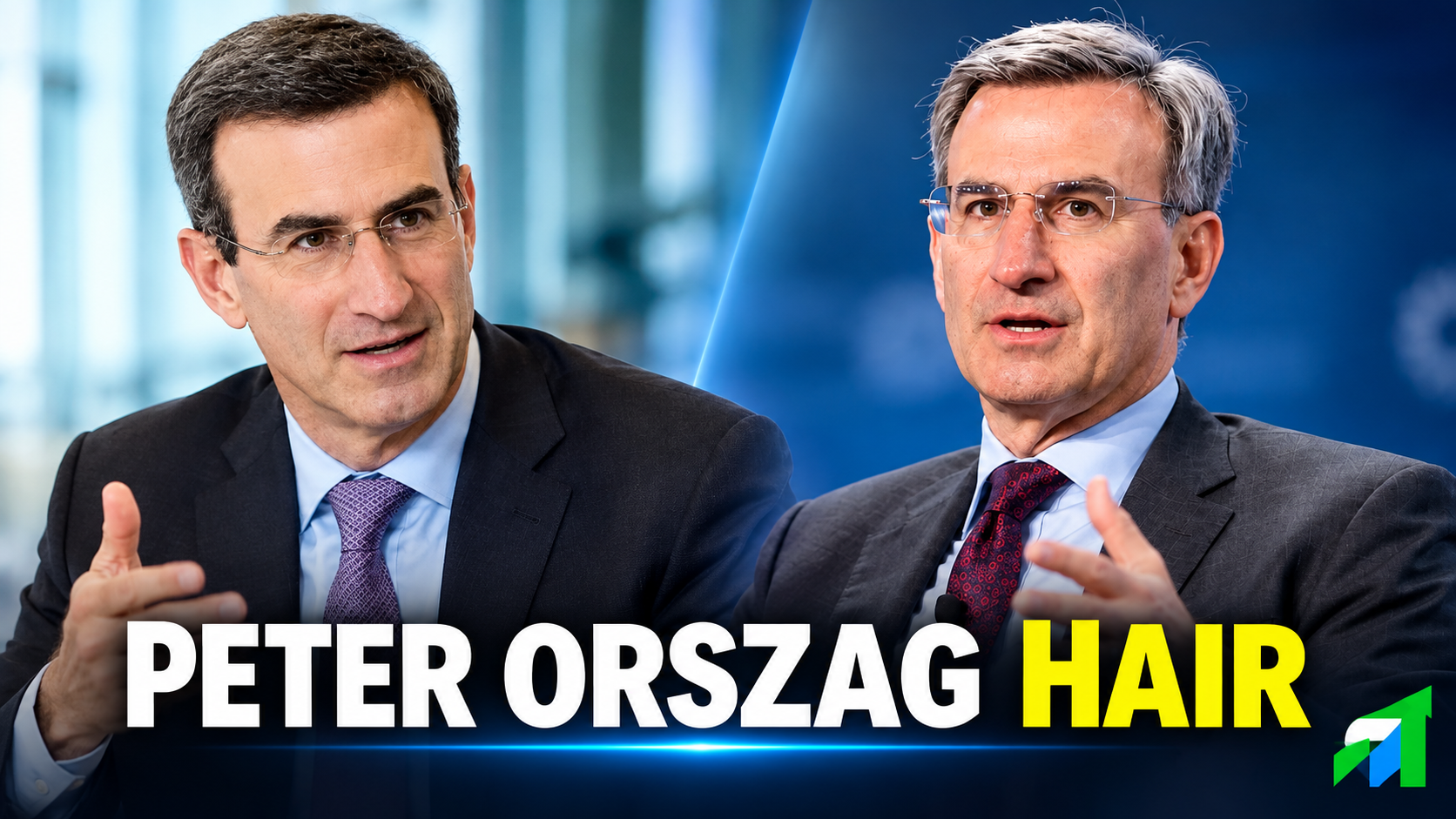
A person’s appearance can attract attention even when their professional achievements matter far more. This is one reason people search for Peter Orszag hair and look at photographs from different stages of his career. Earlier public images show him with darker hair, while more recent photographs show a noticeably grayer appearance. His hairstyle, however, has generally remained short, neat, and suitable for formal settings. This visible change raises an interesting question: how much does a person’s appearance influence the way others view their age, confidence, and professional position? Peter Orszag’s changing look offers an opportunity to explore that question without making assumptions about his private choices. Hair color can change naturally over time, and photographs cannot explain every detail behind someone’s appearance. A closer look at his public image also reveals a wider discussion about aging, professional identity, and the expectations people place on business leaders.
Who Is Peter Orszag and Why Does His Appearance Attract Attention?
Peter R. Orszag is an American economist and business executive known for his work in government and financial services. He became CEO of Lazard in 2023 and took on the role of chairman in 2025. Before joining the private financial sector, he held important positions in the United States government, including Director of the Congressional Budget Office and Director of the Office of Management and Budget during the Obama administration. His career has placed him in public discussions about economic policy, financial decisions, and leadership. People who search for Peter Orszag hair may first notice his photographs, but his professional background explains why those images receive attention. Senior executives often appear in interviews, company announcements, conferences, and official portraits. As a result, their appearance becomes familiar to people who follow their work. His hairstyle is one visible part of that public image, although it does not explain his professional success or decision-making abilities.
What Has Changed in Peter Orszag’s Hair Over Time?
Comparing public photographs from different periods shows a noticeable difference in Peter Orszag’s hair color. Images from his earlier government career show darker hair, while more recent photographs from his time in financial leadership show a greater amount of gray. His general hairstyle appears relatively consistent, with a short and controlled shape rather than a dramatic change in length or design. This distinction matters because people sometimes describe an individual’s changing appearance as though the person has adopted an entirely new style. In this case, the more obvious difference is the color rather than a completely different haircut. Photographs can help viewers observe that change, but they cannot establish exactly when the gray hair appeared or whether he has ever used coloring products. Lighting, camera quality, and image processing can also affect how hair looks. The most reasonable observation is that his public appearance has become visibly grayer over the years while retaining a neat, professional style.
Why Does His Gray Hair Stand Out in Recent Photos?
Gray hair often becomes more noticeable as people grow older, particularly when older photographs provide a direct comparison. Peter Orszag’s earlier images show a darker appearance, so newer photographs can make the difference seem especially clear. Gray and silver shades may also reflect light differently from darker hair, which can make them appear brighter in certain settings. His professional photographs usually feature formal clothing and a clean presentation, allowing viewers to notice details such as hair color and hairstyle. However, gray hair does not have one fixed meaning. Some people associate it with experience, while others simply see it as a normal part of aging. Genetics, natural changes, and personal grooming choices can all influence how someone’s hair looks over time. There is no need to attach a dramatic explanation to every visible change. In Orszag’s case, the available photographs provide a visual record of a changing appearance, but they do not reveal his personal feelings about gray hair or the choices he makes about grooming.
How Does a Professional Appearance Shape Public Image?
A professional appearance can influence the first impression someone makes in a business environment. People often notice clothing, posture, facial expression, and grooming before they understand a person’s experience or responsibilities. For executives who regularly appear in public, these details can become part of a recognizable professional image. A neat hairstyle may complement formal clothing and help someone look prepared for an interview, presentation, or business meeting. Peter Orszag’s short and tidy appearance fits the traditional style often seen among senior financial and corporate leaders. Still, a professional image does not automatically establish competence. A person may look polished without having strong leadership skills, just as someone with a less formal appearance may perform exceptionally well. Appearance can influence the beginning of an interaction, but it cannot replace evidence of knowledge, judgment, or professional conduct. The most balanced way to understand Peter Orszag’s public image is to see grooming as one small element of presentation rather than the foundation of his reputation.
Does Gray Hair Influence the Way People View Leaders?
Gray hair can affect how people interpret someone’s age and experience. In many cultures, people connect gray hair with maturity because it often appears after years of personal and professional experience. This association can influence the way an executive is perceived, especially in industries where experience carries considerable importance. Some viewers may see a gray-haired leader as established and knowledgeable, while others may associate the same appearance with age or traditional thinking. These reactions reflect social expectations rather than reliable evidence about an individual’s abilities. Hair color alone cannot show whether someone understands a business, makes sound decisions, or manages a team effectively. The discussion around Peter Orszag hair illustrates how a small visual detail can become connected to broader assumptions about leadership. It is useful to recognize these impressions, but they should never become a substitute for evaluating a person’s actual work. Experience deserves attention when it is supported by knowledge and results, not simply by someone’s appearance.
Can Hair Color Affect Confidence and First Impressions?
Hair can play a personal role in how someone feels about their appearance. Some people feel comfortable with natural gray hair, while others prefer to color it or choose a different hairstyle. Neither decision has to indicate insecurity or confidence. Personal grooming choices depend on taste, culture, convenience, and individual preference. In professional settings, people may also think about how their appearance will be received by colleagues, clients, or audiences. A hairstyle that feels comfortable can help someone present themselves without constantly worrying about their appearance. However, there is no reliable basis for claiming that Peter Orszag feels more confident because of his gray hair or that he has made a particular grooming decision for professional reasons. His private views are not established by public photographs. The wider lesson is that confidence should not be measured by hair color. People can feel equally comfortable with dark, gray, silver, dyed, or thinning hair. A strong first impression may begin with appearance, but lasting confidence comes from how people communicate, prepare, and handle responsibility.
What Makes a Simple Executive Hairstyle Look Professional?
Many business leaders choose hairstyles that are easy to maintain and appropriate for different formal settings. A short haircut with tidy sides and a controlled top can work well with business clothing because it does not demand constant attention. Peter Orszag’s public hairstyle offers an example of this understated approach. Rather than relying on a dramatic fade, unusual shape, or fashion-focused design, his hair generally appears neat and restrained. This kind of haircut can suit people who want a practical style for meetings, interviews, and everyday professional life. The exact result will depend on hair texture, thickness, face shape, and personal preference. Someone interested in a similar look could ask a barber for short sides and a little extra length on top, with a natural finish that can be brushed into place. There is no need to copy another person’s appearance exactly. A good executive haircut should feel comfortable, remain manageable, and suit the person wearing it rather than follow a strict image of how a leader must look.
How Do Age and Experience Shape Leadership Perceptions?
Age can influence workplace expectations, but it does not provide a complete picture of someone’s leadership ability. Experienced professionals may have spent years developing industry knowledge, building relationships, and handling difficult decisions. Younger professionals may bring different strengths, including familiarity with newer tools, fresh perspectives, and the ability to question established methods. Neither group automatically performs better because of age. People sometimes assume that older leaders are more experienced in every situation or that younger leaders are more adaptable. Both assumptions can create unfair judgments. Research into age and workplace behavior has explored how people respond to leaders at different stages of life, but such findings do not mean that every older or younger person behaves in the same way. The discussion surrounding Peter Orszag’s changing appearance provides a useful reminder that visible age and professional capability are separate matters. A leader should be assessed through decisions, communication, results, and the ability to respond to changing circumstances. Those qualities offer much stronger evidence than gray hair or a youthful appearance.
Why Should People Avoid Judging Leaders by Appearance?
Appearance-based judgments can develop quickly because people often form impressions before they have enough information. A hairstyle, clothing choice, or visible sign of aging may influence an initial reaction, but that reaction can be misleading. A gray-haired executive is not automatically wiser than a younger colleague, and a person with dark hair is not necessarily more energetic or adaptable. The same problem appears when people judge someone for choosing to dye their hair or for allowing it to turn gray naturally. These choices are personal and do not reveal a person’s honesty, intelligence, or professional value. In a workplace, appearance-based assumptions can contribute to age bias and unfair treatment. Employers and colleagues should focus on relevant skills, experience, conduct, and performance instead. Peter Orszag’s public profile includes a long career in economics, government, and finance. Those professional details provide a much more meaningful basis for understanding his leadership background than speculation about his hair. Looking beyond appearance allows people to make fairer judgments about individuals.
Is Peter Orszag’s Hairstyle a Practical Style Inspiration?
People searching for Peter Orszag hair may also be interested in finding a similar executive haircut. His public appearance suggests a simple approach that does not depend on complicated styling. Short sides, a modest amount of length on top, and a tidy finish can create a similar general effect. A barber can adjust the cut according to the person’s hair density, natural direction, and face shape. Someone with thick hair may need a different amount of length from someone with fine or thinning hair. Gray hair can also look different depending on its texture and how it reflects light. The goal should be to choose a style that suits everyday life rather than trying to reproduce a public figure’s exact appearance. A small amount of styling cream may help control the hair, although some people may prefer a natural finish without using any product. The practical appeal of this style comes from its simplicity. It can work in formal and casual settings, making it a useful option for people who prefer a clean and low-maintenance appearance.
What His Changing Appearance Can Teach Us About Aging
Changes in hair color are among the visible signs that people may notice as they grow older. For some, the transition to gray hair happens gradually, while others notice it at a younger age. The timing and pattern can vary from person to person, so there is no single appearance that represents aging. Public photographs of Peter Orszag show how a person’s look can change while their professional identity remains recognizable. His hair has become grayer, but that visual difference does not tell viewers whether his personality, confidence, or working ability has changed. It also does not establish whether he welcomes the change or thinks about it at all. Society often places pressure on people to maintain a youthful appearance, particularly in careers where public presentation receives attention. Yet aging is a normal process, not a professional failure. People should have the freedom to keep their natural hair color, change it, or choose a hairstyle that makes them comfortable. A person’s value should not depend on how closely they match an idea of youth.
Why Leadership Is About More Than a Professional Look
A polished appearance may help someone feel prepared for a public event, but it cannot perform the work required of a leader. Effective leadership depends on judgment, communication, accountability, and the ability to make decisions when circumstances become difficult. Business executives must understand their responsibilities, consider different viewpoints, and explain their choices clearly. Their credibility develops through consistent actions rather than a particular haircut or hair color. Peter Orszag’s career in public policy and financial services provides a more substantial basis for discussing his professional position than his changing appearance. His public photographs may attract curiosity, but they cannot explain the decisions he has made or the outcomes of his work. This distinction is important whenever people discuss the appearance of public figures. A person’s look can be interesting, but it should remain separate from claims about their ability or character. Leadership becomes meaningful through conduct and results. Hair may change over time, while professional responsibility continues to demand knowledge, sound judgment, and trust.
Final Thoughts
Peter Orszag’s changing appearance offers a simple example of how people notice signs of aging in public figures. Earlier photographs show darker hair, while more recent images reveal a grayer look with a generally neat and understated hairstyle. This difference can lead to wider questions about professional image, confidence, age, and leadership. However, photographs cannot reveal private grooming choices or explain how someone feels about getting older. They also cannot prove that gray hair creates wisdom, authority, or trust.
The more useful lesson is that appearance and ability should remain separate. A professional hairstyle can support a polished public image, but it cannot replace experience, good judgment, or responsible leadership. People may continue searching for Peter Orszag hair because they are curious about his changing look, yet his career provides a much stronger reason to understand his public profile. Gray hair is simply one part of a person’s appearance. What someone contributes through their work matters far more.
Frequently Asked Questions
1. Who is Peter Orszag?
Peter Orszag is an American economist and business executive who serves as CEO and chairman of Lazard.
2. What color is Peter Orszag’s hair now?
Recent public photographs show his hair appearing mostly gray or silver.
3. Did Peter Orszag always have gray hair?
No. Earlier public photographs show him with noticeably darker hair.
4. Has Peter Orszag changed his hairstyle?
His hair color appears to have changed over time, while his general short and neat style has remained relatively consistent.
5. Does Peter Orszag wear a wig?
There is no reliable public confirmation that he wears a wig.
6. Has Peter Orszag confirmed using hair dye?
No reliable public statement confirms whether he uses hair dye or other hair-coloring products.
7. Why do people search for Peter Orszag hair?
People may be curious about his changing appearance, gray hair, and professional presentation in public photographs.
8. Is gray hair associated with leadership?
Some people associate gray hair with age and experience, but hair color does not prove leadership ability.
9. Can someone get a haircut similar to Peter Orszag’s?
Yes. A barber can create a short, neat style with tidy sides and slightly more length on top, adjusted to suit the individual.
10. Does appearance determine professional success?
No. Professional success depends on factors such as knowledge, decisions, experience, communication, and performance rather than hairstyle or hair color.
